

Microplastics in Cosmetics: The microplastics are plastic particles smaller than 5 mmwhich are frequently used in different consumer sectors: cosmetics, medicines, biocidal products ..... In the last few years, the scientific community has discovered the huge environmental impact of these products and has called on governments to reduce and/or eliminate these plastic materials. In fact, its use is already banned for cosmetics in the US, Sweden and the UK.
In 2019, the European Chemicals Agency (ECHA) assessed the risks of microplastics to human health, at the request of the European Commission. As part of the European Green Deal, the results of this study were devastating: the presence of microplastics was demonstrated in frequently used foods such as salt, fish and seafood. Microplastics were also found to be present in people's bodies.
ECHA then suggested to the EU to drastically reduce the use of these plastics. The proposed changes served to push ahead with the Preliminary Draft Law on Waste and Contaminated Land (APL) which in principle will enter into force in 2021. But... Has the pharmaceutical industry made progress in implementing these changes? If you want to answer this question, read on.
Microplastics in cosmetics: What are they for?
The cosmetics sector has been using the microplastics in the last 20 years for different purposes. And among the types of cosmetic products we find on the market, there are some in which the presence of microplastics is more frequent:
-
- Facial and body scrubs
- Hand soap
- Toothpaste
Why are they so present in these 3 types of cosmetics? Plastic micro beads are used in this type of product because generate a friction that cleanses the skin and at the same time has a very effective exfoliating effect.. In addition, micropearls have been used, as a matter of fashion, as a decorative element within cosmetics.
There is also one thing that must be clear: microplastics can be present in a considerably wider range of productsEye care, shower gel, make-up, make-up, concealer, shampoo, conditioner, hair gel, hairspray, eye shadow, eyeliner, eyebrow pencil, body cream, hand cream, foot cream, sunscreen, nail polish, shaving gel, after shave, deodorant and contact lens fluid.

What are the dangers of microplastics in cosmetic products for our health?
Although a priori, these small plastic particles should not cause serious harm to our body in small quantitiesIn addition, some potential hazards have been identified for use in cosmetics, as well as others related to the environmental pollution.
The direct dangers are related to thehe possibility of accidentally ingested some micro-pearls in lipsticks and face creams on a frequent basis. It should also be noted that when used for their exfoliating effects, microplastics are converted to even smaller particles - known as nanoplastics-They are much more difficult to detect and have a greater capacity to enter our bodies.
The indirect hazardsassociated with environmental pollution, are the reasons for the Waste and Contaminated Soil LPA. And the fact is that, in order tohen used - and often cleaned - in combination with water, cosmetic products with added microplastics pass into the tap water system, and from there into the seas, which are already heavily saturated with plastic waste. Greenpeace estimates that cosmetics used in the EU annually generate 8,627 tonnes of plastic waste. There are also studies that claim that even 69% of marine products we consume contain microplastics.
While studies on the effect of microplastics on human health are still in the early stages, scientists agree that do not underestimate chemical toxicity of plastics, and to take into account the potential effects of their accumulation in tissues and organs.
RememberIn addition to cosmetics, microplastics are also present in countless products in other sectors, such as food, pharmaceuticals, biocides, etc. This presence is particularly marked in detergents, cleaning products and paints.

The future of microplastics in cosmetics
In Spain, the Anteproyecto de Ley de Residuos y Suelos Contaminados, managed as part of the Spanish Circular Economy Strategy, has allowed the Ministry for Ecological Transition and the Demographic Challenge transpose two Community Directives:
- Directive (EU) 2018/851 of 30 May 2018amending Directive 2008/98/EC on waste. Deadline for transposition: 5 July 2020.
- Directive (EU) 2019/904 of 5 June 2019on reducing the impact of certain plastic products on the environment. Deadline for transposition: 3 July 2021.
Therefore, the Spanish authorities have foreseen, following European legislation, a ban on cosmetics and detergents containing intentionally added microplastics by 2021. The APL is currently at theThe bill is still awaiting review and a vote. It is therefore too early to give a concrete date for its publication.
Cosmetics industry prepared for new microplastics regulation
We have some good news regarding the fulfilment of the APL on Waste and Contaminated SoilThe cosmetics industry has been preparing for the new plastic waste regulation since 2018. And almost the entire sector has already adapted its products to comply with the regulation, ahead of its entry into force in July this year.
In fact, according to a study conducted by Stanpa in 2020, the industry had eliminated 97.6% of plastic beads in rinse-off products by the middle of last year, which is the equivalent of 4.250 tonnes of microplastics that have not been discharged into the environment. And obviously the remaining 2.4% of companies will have already done so in recent months. If this is not your case, ask us!
Latest articles in our blog

Fabricación 3D de Productos Sanitarios: un proyecto innovador en Cataluña
El pasado 18 de septiembre, el Consorci de la Zona Franca de Barcelona (CZFB), el Hospital Clínic y el Hospital del Mar firmaron un convenio de cooperación que permitirá la fabricación de Productos sanitarios mediante la tecnología 3D. Este nuevo espacio, 3D Lab...
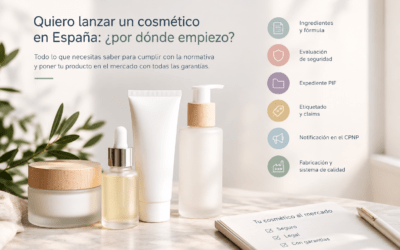
I want to launch a cosmetic product in Spain: where do I start?
If you’re wondering how to launch a cosmetic product in Spain, you should be aware that bringing a new product to market may seem straightforward: developing the formula, choosing the container, designing the packaging and starting to sell... However, before marketing a cosmetic product in...
Escola ISC is revamping its Higher Vocational Training (CFGS) course in Cosmetics Marketing for the 2026–2027 academic year in collaboration with M. Camps and Beauty Cluster
Escola ISC is launching the new edition of the Higher Vocational Training (CFGS) course in Cosmetics Marketing and Advertising for the 2026–2027 academic year, in partnership with Gabinete Técnico Farmacéutico M. Camps and Beauty Cluster. Discover an officially recognised qualification linked to the industry!